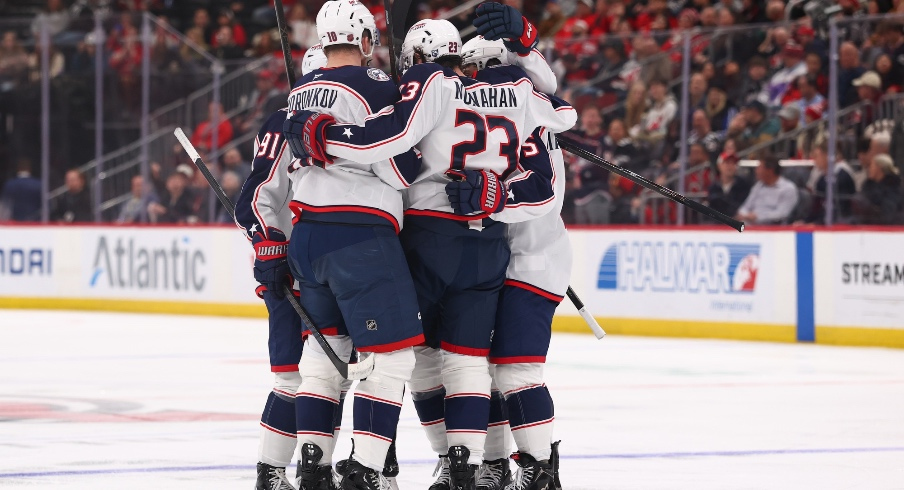
"We have to tighten this thing up."
When head coach Rick Bowness was asked about the immediate impact he could bring to a floundering Columbus Blue Jackets team at his introductory press conference on Jan. 13, he knew right away what the glaring issues were facing his new team.
Bowness' commitment to turning the Blue Jackets' season around started with the defensive side of the puck. The goals against were the obvious elephant in the room. If the team was going to win, that had to change. Even Bowness, who was on his boat in Florida less than 24 hours before facing Blue Jackets media, knew exactly what ailed the team and what needed to change.
How he was going to actually implement change was the question.
Last week, Dan Dukart went under the hood of exactly what's clicked for the Blue Jackets since hiring Bowness.
As Dukart pointed out, low-event hockey is one winning aspect, as the Blue Jackets have quite simply been better at putting the puck in the net and doing an even better job at keeping the puck out of their own net.
Thinking about the Jackets' success over the last month, I wondered where Columbus stacked up in third-period goal differential since Bowness took over behind the bench.
The results weren't surprising, and it's a key ingredient for the drastic 180-degree turnaround.
Through the first 45 games, the Blue Jackets were awful in the third period. With a league-high 63 goals allowed in the final 20 minutes, the goal differential was a horrendous minus-24, the worst in the league. Columbus' 39 goals in that frame were among the third-fewest, three better than the St. Louis Blues and tied with the Winnipeg Jets.
Since the clubs' turnaround and newfound approach to putting games away, Columbus is actually one of the best third-period teams under Bowness, both in terms of goals allowed and goal differential.
With 14 goals scored and seven allowed in the third period, the Jackets have the fourth-best goal differential in the final frame since Jan. 13.
|
|
|
|---|---|
|
|
|
|
|
|
|
|
|
|
|
|
Columbus' seven goals allowed are the third-fewest, tied with the Carolina Hurricanes and one behind the Tampa Bay Lightning (six). The Jackets' plus-seven differential only trails the Vegas Golden Knights (13), the Utah Mammoth, and the Hurricanes (nine).
That has helped Columbus finish games, obviously, going 10-1-0 in that stretch, but getting the all-too-important second point in regulation has been key in their pursuit up the standings. Under head coach Dean Evason, Columbus had 15 games decided in overtime or a shootout. Since Bowness took over, they've played extra time once: a shootout win in Pittsburgh on Jan. 17, his third game on the job.
As you zoom out, 11 games are a small sample size. But it's part of a larger trend. Overall, the Blue Jackets have a plus-two goal differential. They were minus-18 on Jan. 12.
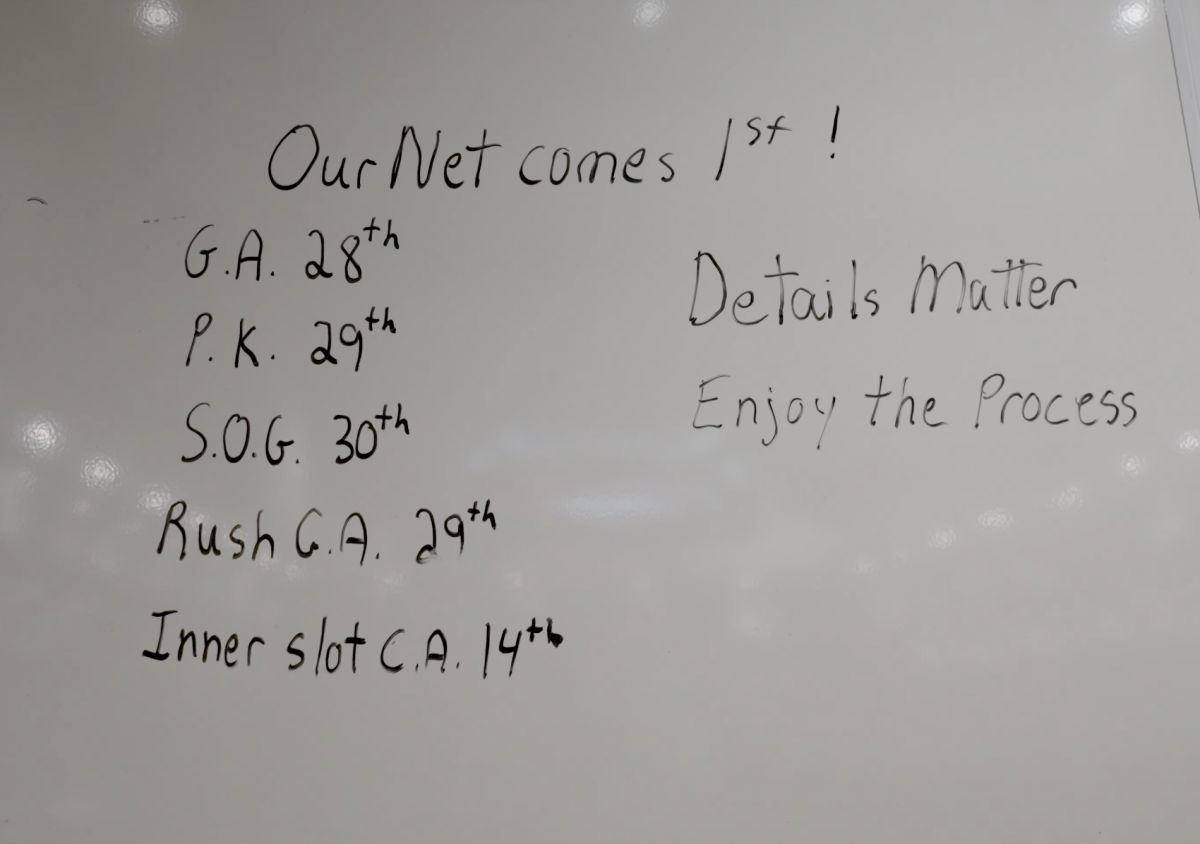
Since day one, the focus has been on reducing the goals against, chances against, improving the special teams, and overall, fine-tuning the details that help produce wins.
Columbus Blue Jackets YouTube
"I put those numbers up on the board because that's our ticket out of the playoffs," Bowness said about some of the Blue Jackets' statistics on the January 14th episode of Behind the Battle.
"Your job as a teammate is to work hard on these, and we're going to get those numbers down," Bowness said. "And getting those numbers down are going to get us into the playoffs.
"It's a process, and we're going to be working on that every day."
The hard work is still ahead for this team, but the Blue Jackets are starting to show they can clamp down when it matters most.
They'll just have to prove they can pick up where they left off after the Olympic break, when they play a critical game against the Boston Bruins on Feb. 26 in Boston. The Bruins lead the Blue Jackets by four points in the Eastern Conference wild-card race.
